
"conflict region coffee"
300 article(s) found

A brief introduction to the history and culture of the origin and development of Burundi Luo boutique coffee beans with almond aroma.
Burundi coffee was introduced by Belgian colonists in 1930. Unfortunately, many of these farms are on the border with war-torn Rwanda, putting pressure on coffee production. Coffee production in Burundi: Burundian coffee is now grown only on small farms. Almost all the coffee produced in Burundi is Arabian coffee beans.

A brief introduction to the flavor, taste and aroma characteristics of Burundian boutique coffee beans
There are many hippos and crocodiles in the lake, and there are many kinds of birds. There are more than 300 kinds of fish in the lake, among which the African crucian carp is the most famous. Developed water transport, there are Kighoma, Ugiji, Kalemi, Uvira, Bujumbura and other lake ports. There are many crocodiles and hippos in the lake, surrounded by elephants, antelopes, lions, giraffes and other animals endemic to Africa. The lake is rich in fish and all kinds of waterbirds, which is a good day.

Introduction to the characteristics of coffee flavor and taste in the elegant floral fragrance of Manor Ireta in Panama
The Panamanian flag was launched on November 3, 1904. The flag is rectangular and the ratio of length to width is 3:2. The flag consists of four rectangles of white, red and blue. White symbolizes peace; red and blue represent the former Panamanian Liberal Party and the Conservative Party respectively, and they are also symbols of the two parties' United struggle for the interests of the nation. The blue star on the white background on the upper left represents loyalty and integrity, and the red star on the white background on the lower right represents

Colombia Coffee Cesar Province Bear Processing Farm Origin Information Tibica Washed Coffee Flavor Characteristics
Professional barista communication please pay attention to coffee workshop (Weixin Official Accounts cafe_style) Name: Colombia Cesar Kuma Tipica WashedProduction area: Cesar regional treatment field: Kuma Mill Variety: Tipica Elevation: Average 1,800 meters

Detailed introduction of historical brewing parameters of Burundian boutique coffee flavor
The characteristics of Burundian coffee: there are many hippopotamus and crocodiles in the lake, as well as many species of birds. There are more than 300 kinds of fish in the lake, among which the African crucian carp is the most famous. Developed water transport, there are Kighoma, Ugiji, Kalemi, Uvira, Bujumbura and other lake ports. There are many crocodiles and hippos in the lake, surrounded by elephants, antelopes, lions, giraffes and other animals endemic to Africa. Fish and all kinds of fish in the lake

What's the taste of Yejasuffi? how much is Yejashefi coffee? how much is it?
Professional coffee knowledge exchange more coffee bean information please follow the coffee workshop (Wechat official account cafe_style) Yega Xuefei is the oncoming spring breeze is the branches covered with red berries is the sun through the cracks in the green garden and other familiar single coffee name, Yega Xuefei is also a place name, but whether it is a Chinese translation, or Ethiopia

How to develop boutique coffee in Uganda? introduction to the three major boutique coffee producing areas in Uganda
Not long ago, Ugandan specialty coffee was almost unheard of. This East African country is mainly famous for its Robusta crops. But times are changing: Arabica coffee production has boomed over the past decade, and Uganda has begun to become famous among the third wave of roasters and coffee lovers. What's so special about Ugandan coffee? Uganda is an excellent place to grow coffee. In the past

Introduction to Panamanian Cupid Cupid Coffee Flavor and Flavor Manor
The overall economy is at a low level of development, agriculture, forestry and fisheries account for the majority of people's livelihood, but shipping-related enterprises and part of the financial and insurance industry have international status, resulting in a small number of super-rich class, a large gap between the rich and the poor. Panama is rich in forest resources and has many tropical tree species. Mahogany, cedar, teak and other timber are abundant in the east, providing a small number of internationally competitive exports, farmers.
A brief introduction to the description of the flavor, taste and aroma characteristics of fine Burundian coffee beans with mellow taste
Burundian coffee market: most of Burundi's coffee products are exported to the United States, Germany, Finland and Japan. Lake Tanganyika is longitudinally striped from north to south, 670km long and only 48-70km wide from east to west. It is the narrowest lake in the world, with a surface area of about 32900 square kilometers. It is the second largest lake in Africa (the largest lake is Lake Victoria L.Victoria), with an elevation of the lake.
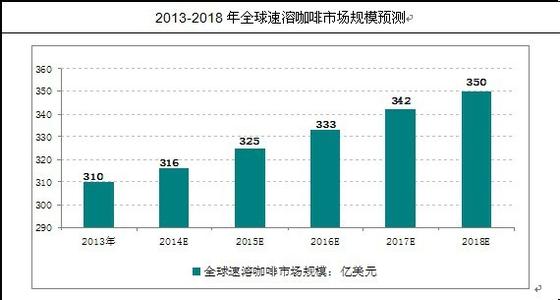
The prospect of the huge coffee market has attracted the covet of many foreign brands.
It is believed that the next 10 years will be an explosive period. At present, whether it is coffee consumption or coffee cultivation, China's industry position appears to be a bit awkward. A reporter from the Daily Economic News previously reported that as a producing area, the output of coffee beans in China is limited, accounting for less than 1% of the world's coffee consumption. Jia Benzhi, senior analyst of coffee industry at Kunming Fumin Import and Export Co., Ltd.
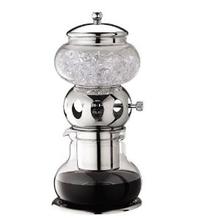
What is the spread of dripping coffee the characteristics of dripping coffee Dutch coffee
Dripping coffee, also known as Dutch coffee, originated in Europe. The dripping pot for brewing was invented by an archbishop in Paris. It uses cold water or ice water to extract, through natural osmotic water pressure, adjust the speed of water droplets, extract at 5 ℃ for 4 to 10 hours and leak for a long time, so that the original flavor of coffee can be naturally reproduced by fax. The characteristics of drip coffee Dutch coffee drip filter pot originated in the Netherlands

Full-bodied jasmine fragrance introduction to the flavor and taste of Ethiopian Yega Sheffield Adoudo coffee
The international situation: it is believed that peace and development are the trend of the times, and the cooperation trend of the international community around the political, economic and social fields is expected to be strengthened. Support the democratization of international relations and call on developing countries to actively integrate into the process of globalization through joint self-improvement. The role of the United Nations and its reform: attach importance to the role of the United Nations and believe that the trend of world multipolarization provides a greater role for the United Nations.

Burundi fine coffee beans with excellent acidity
Burundi coffee characteristics Flavor description Taste treatment Method of production Region Variety grind Introduction Anchor point Burundi coffee was introduced by Belgian colonists in 1930. Unfortunately, many of these farms are located on the border with war-torn Rwanda, putting pressure on coffee production. Burundi coffee origin: Burundi (Burundi) coffee present

Burundian Koyama Water washing Cooperative Podga Project Experimental Micro-batch low-temperature Sun-fermented Coffee beans
Professional coffee knowledge exchange more coffee bean information please follow the coffee workshop (Wechat official account cafe_style) experimental batches of Burundian coffee, slow low-temperature sun fermentation, greatly increase the flavor of coffee in the sweetness country: Burundian manor: Coyama washing manor beans: SL28 production area: Butaganwa planting altitude: 1950 grade: three first choice! In Burundi

Refreshing and comfortable citrus taste of Panamanian Erida Manor Coffee Flavor Coffee introduction
Vice President Varela, candidate of the Naamist Party, won the presidential conference.

History of the Origin and Development of Brazilian Coffee the Future trend of Flavor and Taste in Brazilian Coffee Bean producing areas
The origin of Brazilian coffee several historians agree that the arrival of coffee from the Old World to Martinique and the Antilles originated in 1714 when Mathieu de Clieu, the captain of the French army, got it from the first branch seeds brought by small American plantations. The story tells us that the captain is keeping a coffee branch stolen from Louis XIV Garden.

What is the flavor of mocha coffee in Sana'a, Yemen? what kind of coffee is Udini Udaini?
Country: Yemeni Province: Sana'a: Al Haymah Al Kharijiyah Cooperative: Al-Ruwad Coop producer: Ali Al-Lahaba treatment: sun drying time: 27.5d Variety: Udaini altitude: 2300 m Flavor: lemon Sauce, Citrus, Dark Chocolate, star anise production areas apart from Ethiopia, Yemen also has the longest coffee

Coffee is believed to be a kind of fruit only after drinking Yega Chuefei. | Yega Chefe Coffee has a characteristic taste.
Professional coffee knowledge exchange more coffee bean information Please follow the coffee workshop (Wechat official account cafe_style) only those who have tasted the sun Yega Chuefei will believe that coffee is a kind of fruit. If you want to have a relaxed and happy taste in your coffee, choose Yega Xuefei. The barista will recommend you to say that this is a girl's smile, an oncoming spring breeze, a branch.

Burundian Coffee Flavor with Fruit Flavor; introduction to the characteristics of fine coffee beans in the manor area
Formerly known as Urundi, Burundi formed a feudal kingdom in the 16th century. Since the middle of the 19th century, the forces of Britain, Germany and Belgium invaded. The long-ruled monarchy, which was conquered by Germany in 1890, listed it as the territory of German East Africa and fell under the control of the Belgian army in 1916. After World War I, the League of Nations merged Rwanda-

Taste mellow Costa Rican Saint Roman Manor Coffee Flavor Variety characteristics of Fine Coffee
In 1949 Figueres Ferrer handed over power to the elected leader of the National Union Party, O. Ullat Blanco. In October 1951, led by Figueres Ferrer, the National Liberation Party was founded. In the six general elections from 1953 to 1978, the National Liberation Party won four times. When the party was in power, it stressed that the state intervened in the economy, nationalized some industries and raised import taxes to protect the nation.